
Many, many moons ago, the greatest threat to an aircraft at a point came from the forces you see around: human error, weather systems, and mechanical failure. But today, the threat travels invisibly—at the speed of a signal—through systems designed to guide, stabilize, and connect. It does not roar like an engine or shake like a plane in turbulence; instead, it moves quietly through code below.
Aerospace engineering in 2026 has evolved beyond traditional concerns of lift and drag, placing its primary focus on cyber-defenses like encryption and firewalls. And somewhere along the way, the aviation landscape expanded even more—from designing machines that fly and return to protecting AI-based systems that think and protect.
When Machines Became Flying Networks …
Gone are the days when aircraft operated as isolated mechanical systems. Today, our aeropace engineers design these machines as highly connected digital environments with integrated satellite communication, avionics, onboard data networks, and GPS navigation. The International Civil Aviation Organization (ICAO) reports that increased digital connectivity over the last 10 years now allows seamless, real-time communication between aircraft, ground infrastructure, and satellites. But it also adds vulnerability to the equation.
The Risks That Come with Connected Flight Systems
You see, every connected system creates a potential doorway for threats. To mitigate threats, aircraft now rely on software-driven systems for maintenance diagnostics, communication, and flight control. Even satellites operate as key nodes in global aerospace infrastructure, supporting navigation, defense, and telecommunications.
The European Union Aviation Safety Agency notes that as digital integration grows, so also will cybersecurity threats targeting aviation systems. This shift will demand stricter rules and stronger security protocols to be implemented. Engineers would then predict risks originating from digital intrusions, because a software vulnerability can carry consequences as serious as any structural flaw.
And so today, aerospace engineers treat cybersecurity as a direct inclusion in system architecture. Here, the system protects by isolating flight data through secure protocols and encryption. Additionally, the engineers proactively identify vulnerabilities through threat modeling and penetration testing.
The Systems We Rely on and The Risks We Control
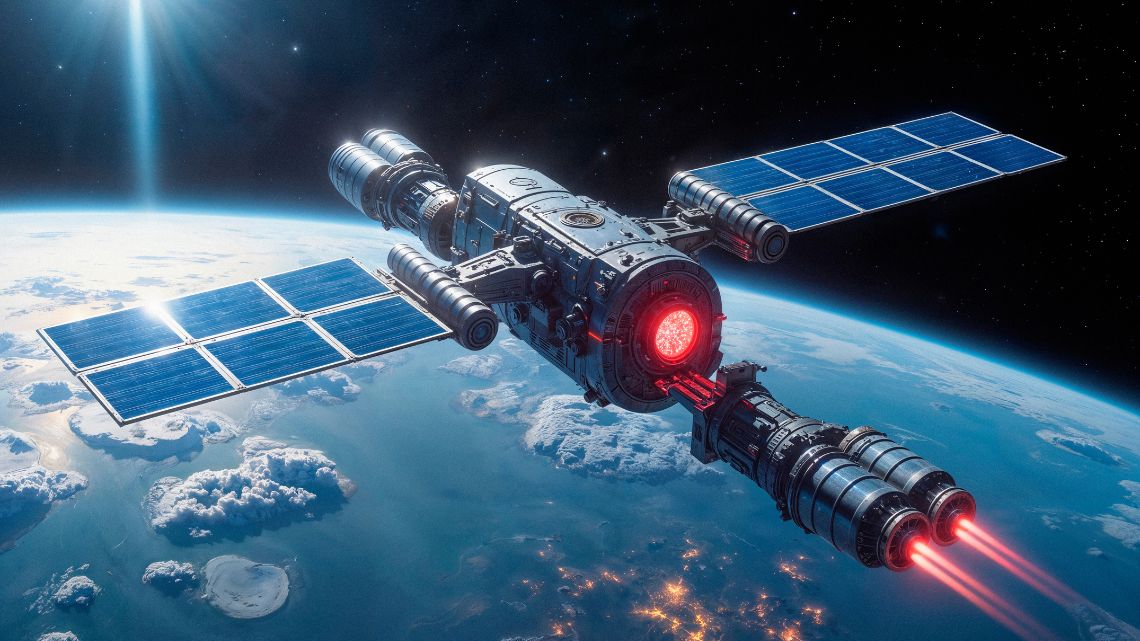
Speaking beyond aircraft, satellites are essential for weather forecasting, GPS navigation, and global communications. As per NASA reports, the recent rapid rise in orbital satellites has increased its reliance on space-based infrastructure across industries. And as this dependence grows, so do the risks. To maintain a near-zero risk, engineers work to secure satellite communication links, prevent signal interference, and protect command-and-control systems from unauthorized access.
Apart from all of this, engineers also work closely with software developers, data scientists, and cybersecurity specialists to defend and protect every line of code, every communication link, and every control system, and must operate under the assumption that it could be tested by an adversary.
Moving From Physical Flight to Digital Trust
Aerospace engineering is presently reshaping the boundaries of human ambition in the modern age. While we design systems where connectivity defines capability, security is the next main concern after focusing on speed for so long.
By 2026, aerospace technology—from jets to satellites—serves as more than an engineering achievement; it is the ultimate expression of trust in seamless digital and physical systems. In today’s aerospace landscape, protecting the system is now equally important as building and flying it.